🇸🇬 Singapore 2024 - TOKEN 2049 and Solana Breakpoint Reflections
Insights and reflections from Singapore's major blockchain events
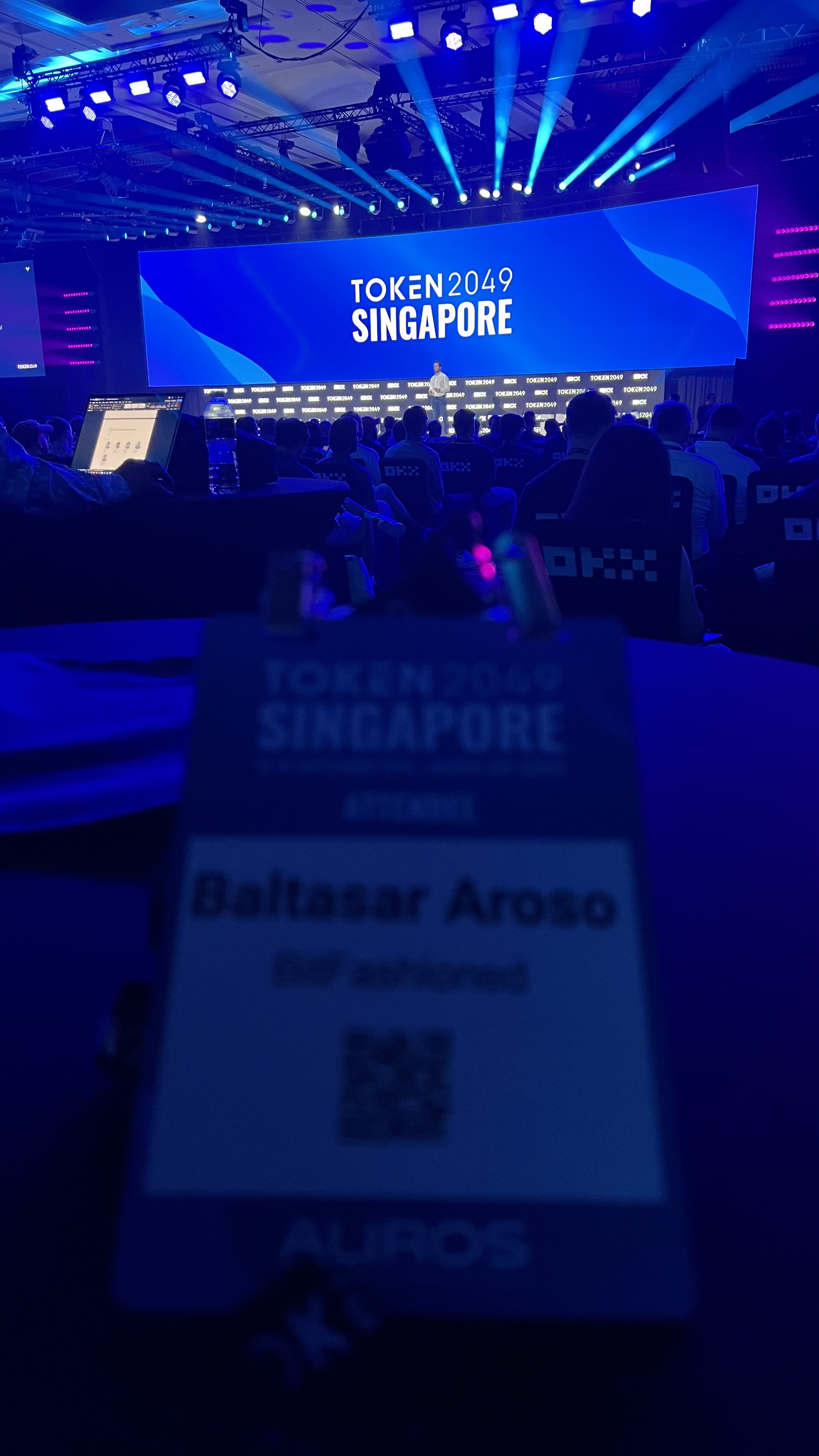
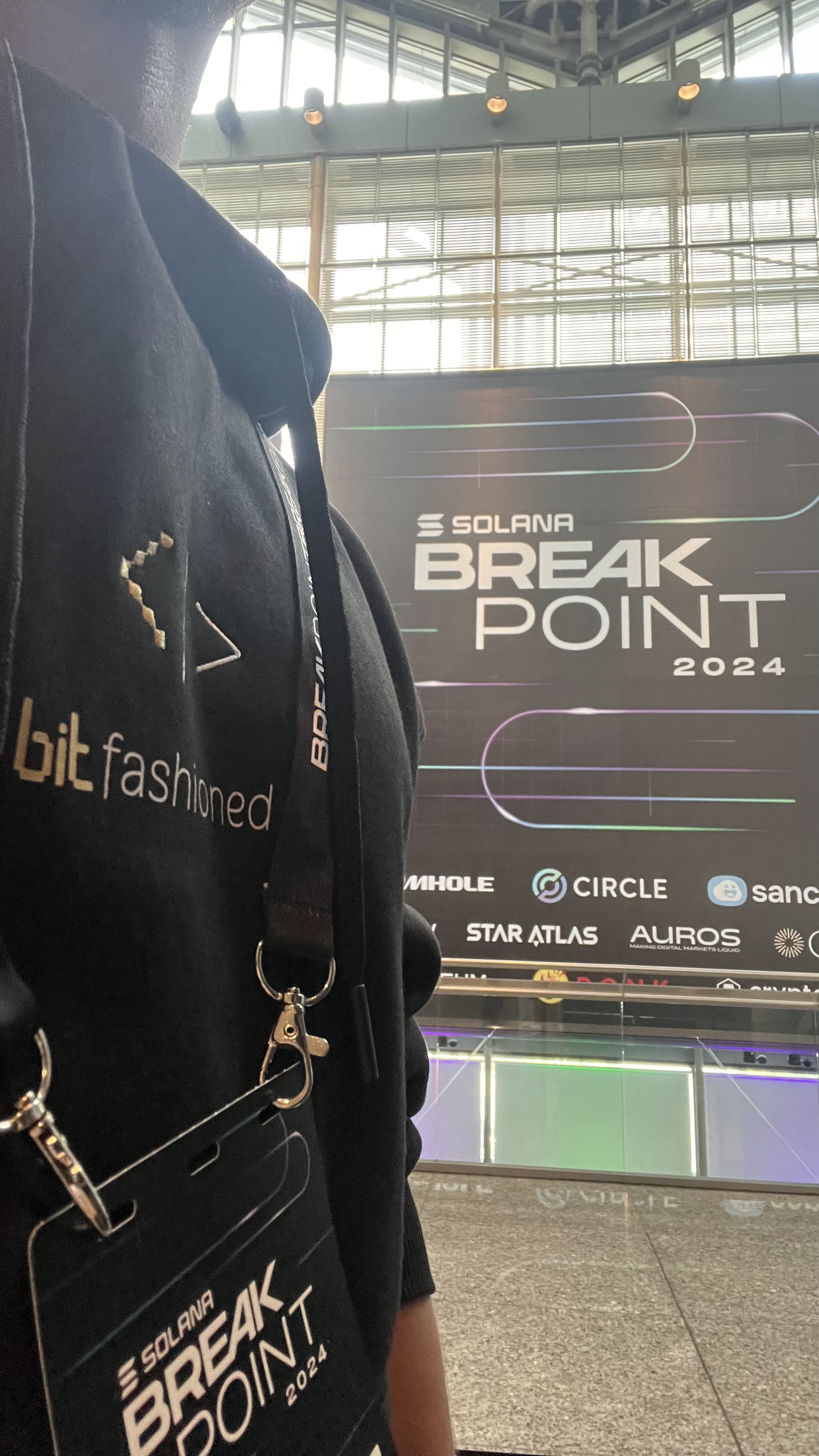
Web 2.0 → Web 3.0 → Web 2.5
Yeah, it seems like we're moving toward a more realistic vision of on-chain ownership for users and their actual, meaningful use cases. In short, we need better UX, decentralization isn't the answer to everything, and interoperability between ecosystems is crucial—oh, and a karaoke booth for the Ethereum Foundation wouldn't hurt either!
On a personal note, Singapore is super safe, clean, tech-driven with robots in the streets, closely monitored, very built up, and has that hot tropical weather. It's an interesting location for a crypto conference. However, despite the impressive setting, plenty of money was splurged on the 700+ side events, where it often felt like marketing took center stage over real tech innovation. Great for networking and saving on a night out, though—except for those having to network in line.
We saw the usual debate between the Solana and Ethereum ecosystems—Solana Mobile Seeker offered a nice glimpse into their vision, while Ethereum has been put to the test lately, particularly relying on L2s and UX improvements to stay competitive as the ecosystem matures (activity and tx fees are another discussion). Although when Vitalik took the main stage, it was probably the most packed room in all of Singapore, but no one was expecting him to randomly start singing the theme song from the movie that supposedly inspired Ethereum—"Castles in the Sky". It looks like Ethereum is not too worried about the general wonder of being flipped over Solana; they believe in the maturity of their ecosystem.
On the topic of combining ecosystems, there's growing discussion around Modular Blockchains—an approach that seeks to merge Solana's scalability and modularity with the security of Ethereum's execution layer and Celestia's data availability. It'll be interesting to see how this develops, especially with projects like Eclipse (which integrates Neon EVM and is backed by Anatoly himself) pushing the modular rollup space forward. Meanwhile, Monad, a much-discussed L1, is taking a different approach to scalability—similar to Sui in its focus on optimizing performance at the base layer, though each has its unique architectural choices.
There was also a lot of buzz around Jerome Powell's potential 50bp rate cut and its impact on both traditional markets and DeFi. With bond yields becoming less attractive and USD/JPY volatility in play, investors are eyeing DeFi as an alternative way to have some skin in the Web3 game—but do these really offer more appealing yields? Most mature L1s barely reach 5% on native staking, and that's before factoring in inflation. Liquid (re)staking is the latest hot topic, but much of the so-called 'yield' is driven by speculation on native assets. When you consider the risks—liquidity crunches, smart contract vulnerabilities, and regulatory uncertainty—it's far from a straightforward alternative for more cautious investors. On that note, two projects imo standing out here are Berachain, a hyped project at the event, with its unique PoL model in a Cosmos-based DeFi-focused EVM compatible L1, and ether.fi, a decentralized liquid staking protocol that gives stakers more control over their keys.
AI and crypto integration? Well, that conversation was… interesting. Right now, it feels like the most common trend is tokenizing AI agents and creating decentralized AI networks. While promising, this combination of buzzwords is still very raw. The practical challenges—scalability, security, regulation—make it more of a long-term play than the game-changer some projects are hyping it up to be. And let's be honest, how many of these projects are really pushing sustainable tech versus just riding the AI buzz for marketing points? It's clear there's potential, but we might want to slow down on the excitement just yet (a bold statement probably far from the common thoughts forced by market trends).
One thing that stood out was the inevitable merging of industries. Web3 really needs Web2's UX touch if it's going to break into the mainstream—account/chain abstraction and social/zk login are crucial topics to bring more users into the newly built dApps. At the same time, TradFi and institutions are rebranding tokenization as RWAs and knocking on the door, eager to integrate. The decentralization maxims of Web3 are being tested, and a touch of realism is creeping in. This signals a shift toward more structured businesses wanting to build in Web3 but with the same economic and operational mindset as traditional institutions. After all, big players can't afford to rely on half-baked projects or a so-called decentralized world riddled with centralized points of failure.
Gaming and the Metaverse will be the ultimate scalability test for L1s, and the question is if L2 solutions are likely to take the spotlight. The most flexible and responsive ecosystems will win over the biggest communities. Networks like Avalanche, Solana, Cosmos, Polygon and Immutable X are all building promising ecosystems. I noticed some criticism from users and builders about the appeal and complexity of Web3 games, showing we're still in the very early stages of this space. Let's see how Sui plays here with the SuiPlay0X1 as well.
It feels like those of us who've been in crypto for a while might soon be able to have less random, more grounded conversations with our non-crypto friends and family around the dinner table in the "near" future. With more educational content, growing awareness, and better dApps and products that appeal to non-native crypto users, the space is becoming easier to understand and more inviting for people from less tech-savvy backgrounds.
Exciting times ahead, and one thing is for sure: crypto conferences are always quite entertaining, and the unexpected is guaranteed. Met awesome people, cool projects, and made great connections! Do not hesitate to reach out.
None of this is financial advice, just my impressions from a crowded, fast-paced conferences.